

Breathe Better. Sleep Better. Live Better.
Myofunctional therapy in Winchester, Virginia, addresses patterns of oral muscle dysfunction that may affect breathing, sleep quality, tongue posture, swallowing and long-term oral health.
At Cedar Creek Dental, Dr. Alexis Mierzwa and Dr. Ahmad Salah provide personalized, airway-focused care for children, teens and adults experiencing signs of orofacial myofunctional dysfunction. Call 540-486-5111 to schedule your personal consultation and learn more about myofunctional therapy in Winchester, VA.
What Is Myofunctional Therapy?
Myofunctional therapy is a specialized, exercise-based program that retrains the muscles of the tongue, lips, cheeks and face. The goal is to encourage proper oral function, healthy nasal breathing, balanced swallowing patterns and improved muscle coordination.
Orofacial myofunctional therapy focuses on habits and muscle patterns that can influence facial development, airway health, sleep quality, speech, jaw comfort and orthodontic stability. Treatment is personalized because every patient has different symptoms, anatomical considerations and functional needs.
During therapy, patients learn targeted exercises designed to improve:
- Resting tongue posture
- Lip closure and oral muscle tone
- Nasal breathing habits
- Swallowing patterns
- Tongue mobility and coordination
- Awareness of habits such as mouth breathing or tongue thrust
Myofunctional therapy does not replace medical, orthodontic, surgical or speech treatment when those services are needed. Instead, it may complement care from dentists, orthodontists, ENTs, speech-language pathologists and other healthcare professionals.
Common Signs of Orofacial Myofunctional Dysfunction
Orofacial myofunctional dysfunction can affect how the tongue and facial muscles rest and move throughout the day and during sleep. An evaluation may be helpful when a child or adult experiences one or more of the following concern:
Mouth Breathing
Frequent breathing through the mouth rather than the nose, including during rest or sleep.
Snoring
Regular snoring that may be associated with restricted airflow or sleep-related breathing concerns.
Sleep-Disordered Breathing
Restless sleep, noisy breathing or other symptoms that may indicate disrupted breathing during sleep.
Tongue-Tie
Restricted tongue mobility that may affect oral function, swallowing, speech or tongue posture.
Tongue Thrust
A swallowing pattern in which the tongue pushes forward against or between the teeth.
Open Bite
A space between the upper and lower front teeth when the back teeth are together.
Orthodontic Relapse
Teeth shifting after orthodontic treatment because underlying muscle habits were not fully addressed.
Speech Concerns
Speech patterns that may be influenced by tongue position, mobility or oral muscle coordination.
Teeth Grinding
Clenching or grinding that may occur during the day or while sleeping.
TMJ Symptoms
Jaw tension, clicking, fatigue or discomfort that may occur alongside imbalanced oral muscle function.
Poor Tongue Posture
A low or forward resting tongue position rather than the tongue resting against the palate.
Difficulty Swallowing
An inefficient or strained swallowing pattern involving the tongue, lips or facial muscles.
These symptoms can have different causes. A comprehensive evaluation helps determine whether myofunctional therapy, another form of treatment or a collaborative approach may be appropriate.
Who Can Benefit From Myofunctional Therapy?
Myofunctional therapy can be adapted for children, teens and adults. Treatment recommendations depend on the patient’s age, symptoms, ability to participate in exercises and any related dental, medical or orthodontic concerns.
Myofunctional Therapy for Children
Children may benefit from early evaluation when oral habits or breathing patterns could influence facial growth, dental development or sleep. Therapy may support children experiencing:
- Persistent mouth breathing
- Tongue-tie concerns
- Restless sleep, snoring or sleep-related breathing symptoms
- Tongue thrust or poor tongue posture
- Difficulty with age-appropriate swallowing patterns
- Concerns involving orthodontic or facial development
Early support may help a child develop healthier oral habits while the face, jaws and teeth are still developing. When needed, our team may recommend coordination with a pediatrician, orthodontist, ENT or speech therapist.
Myofunctional Therapy for Teens
Teenagers may use myofunctional therapy to support orthodontic treatment and replace habits that can contribute to tooth movement or orthodontic relapse.
Therapy may help teens work toward:
- Improved tongue posture during and after orthodontic care
- More consistent nasal breathing habits
- Healthier swallowing patterns
- Better oral muscle coordination
- Improved breathing efficiency that may support daily activity and sports participation
- Greater stability after braces or clear aligner treatment
Myofunctional Therapy for Adults
Adults can also develop or continue patterns of oral muscle dysfunction. Treatment may be considered for adults concerned about:
- Mouth breathing or poor tongue posture
- Snoring and sleep-related breathing concerns
- TMJ discomfort or facial muscle tension
- Teeth shifting after orthodontic treatment
- Tongue thrust or difficulty swallowing
- Tongue mobility limitations
- Long-term airway and oral health support
Adults often appreciate that therapy provides practical exercises they can incorporate into their daily routines. Progress depends on consistent participation and the underlying cause of the dysfunction.
Mouth Breathing Treatment and Airway Support
Healthy nasal breathing helps filter, warm and humidify incoming air. When a patient habitually breathes through the mouth, the tongue may rest low in the mouth and the lips may remain apart. Over time, these patterns may affect oral muscle balance, sleep and dental development.
Myofunctional therapy may support mouth breathing treatment by helping patients develop awareness, improve lip closure, strengthen coordinated oral muscle function and practice nasal breathing when the airway is clear.
Because mouth breathing may be related to allergies, enlarged tonsils, nasal obstruction or other medical concerns, therapy should not be used to ignore a possible airway restriction. Our collaborative approach to airway dentistry in Winchester, VA, may include referral to an ENT or another qualified healthcare provider when further evaluation is appropriate.
Tongue-Tie Therapy and Functional Support
A tongue-tie occurs when the band of tissue beneath the tongue restricts normal movement. Some patients with restricted tongue mobility experience difficulty with tongue posture, swallowing, speech or other oral functions.
Myofunctional therapy may be recommended before or after a tongue-tie procedure to help the patient improve tongue awareness, mobility, strength and coordination. Therapy alone does not release restricted tissue, and not every tongue-tie requires a procedure.
Dr. Mierzwa or Dr. Salah will evaluate oral function and discuss whether therapy, additional assessment or coordinated care may be appropriate. When needed, our team can collaborate with other providers involved in tongue-tie treatment.
Our Myofunctional Therapy Process
Myofunctional therapy is most effective when treatment is based on a detailed evaluation and the patient practices consistently between guided sessions.
1. Comprehensive Evaluation
We begin by reviewing your health history, symptoms, breathing habits, tongue posture, swallowing pattern and oral muscle function. We may also consider your dental development, orthodontic history, sleep concerns and tongue mobility.
2. Personalized Treatment Plan
Your treatment plan is created around the specific patterns identified during your evaluation. We will explain your therapy goals, recommended exercises, expected home practice and whether collaboration with another provider may be helpful.
3. Guided Therapy Sessions
During guided sessions, you or your child will learn exercises that target tongue posture, lip strength, nasal breathing, swallowing and muscle coordination. Instructions are presented in manageable steps to support consistent practice at home.
4. Progress Monitoring
We monitor changes in muscle function, breathing habits, swallowing patterns and exercise performance. The treatment plan may be adjusted as coordination and awareness improve.
5. Long-Term Success and Maintenance
Once healthier patterns have become more consistent, therapy transitions toward maintenance. Patients receive guidance designed to help reinforce progress and reduce the likelihood of returning to previous habits.
Benefits of Orofacial Myofunctional Therapy
The benefits of myofunctional therapy vary according to the patient’s diagnosis, participation and related health concerns. A personalized program may help support:
- Improved nasal breathing: Exercises can reinforce closed-mouth posture and more consistent nasal breathing when no obstruction is present.
- Better sleep quality: Healthier oral posture and breathing habits may complement care for certain sleep-related breathing concerns.
- Healthy facial development: Balanced tongue and oral muscle function may support developing facial and dental structures in children.
- Increased orthodontic stability: Addressing tongue thrust and other muscle patterns may help support orthodontic results.
- Improved tongue function: Therapy may strengthen tongue awareness, posture, mobility and coordination.
- Reduced oral habits: Patients can learn to replace mouth breathing, tongue thrust and other dysfunctional patterns with healthier habits.
- Better swallowing function: Targeted exercises can help retrain inefficient swallowing patterns.
- Whole-person wellness support: Improved oral function may contribute to better comfort, breathing awareness and daily well-being.
Myofunctional therapy is not a guaranteed cure for sleep apnea, TMJ disorders or other medical conditions. Patients with suspected sleep-disordered breathing or airway obstruction should receive appropriate medical evaluation.
Myofunctional Therapy and Orthodontic Stability
The tongue, lips and cheeks apply pressure to the teeth throughout the day. When these muscles function in an imbalanced way, they may contribute to an open bite, unwanted spacing or tooth movement after orthodontic treatment.
Myofunctional therapy can complement braces or clear aligner therapy by addressing tongue thrust, low tongue posture, mouth breathing and swallowing patterns. Correcting these habits may help create a more stable environment for the teeth after orthodontic movement.
Therapy may be recommended before, during or after orthodontic care. The timing depends on the patient’s age, treatment plan and functional needs.
Why Choose Cedar Creek Dental for Myofunctional Therapy?
Cedar Creek Dental provides patient-centered myofunctional therapy and airway-focused dental care in Winchester, VA. We evaluate more than the appearance of the teeth. Our team considers how oral muscles, breathing habits, tongue function, sleep concerns and dental development may be connected.
- Comprehensive airway-focused care: We consider breathing patterns, oral posture, sleep-related symptoms and dental health as part of the evaluation.
- Personalized treatment plans: Exercises and therapy goals are selected according to each patient’s functional needs.
- Collaborative treatment: When appropriate, we coordinate with orthodontists, ENTs, speech therapists and other healthcare professionals.
- Care for different ages: Therapy can be tailored to children, teens and adults.
- Convenient Winchester location: Patients can receive airway-focused dental and myofunctional support close to home in Winchester and neighboring areas.
- Patient-centered care: We explain the purpose of each exercise and help patients build realistic routines for home practice.
Experienced Dentists Focused on Whole-Person Care
Dr. Mierzwa graduated from the State University of New York at Buffalo School of Dental Medicine in 2004 and completed a General Practice Residency at Martin Luther King Jr. Community Hospital in Los Angeles in 2005. She received the Resident of the Year award during her residency and opened Cedar Creek Dental in 2015.
Her commitment to continuing education and comprehensive care helps her evaluate how function, comfort and long-term oral health fit together. She is known for her honest, patient approach and for building strong relationships with the people she treats.
Dr. Salah graduated from Syracuse University in 2018, completed dental school at the University of Buffalo in 2022 and completed an Advanced Education in General Dentistry residency at the University of Buffalo in 2023.
He believes patients should be treated as whole people rather than as a collection of teeth. His patient-focused approach supports thoughtful evaluation of oral function, breathing concerns and overall well-being.
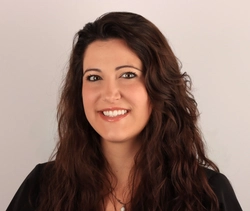
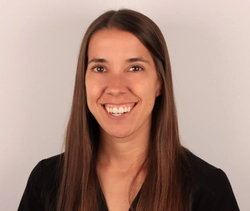
Meet our Myofunctional Therapists
Laura
Kaitlyn
Frequently Asked Questions About Myofunctional Therapy
What is myofunctional therapy?
Myofunctional therapy is a personalized exercise program that retrains the muscles of the tongue, lips, cheeks and face. It is designed to improve tongue posture, nasal breathing, swallowing patterns and oral muscle coordination.
How long does myofunctional therapy take?
Treatment length varies according to the patient’s symptoms, age, goals, consistency with home exercises and whether other care is needed. After the initial evaluation, our team can provide a more personalized estimate and explain the recommended schedule.
Does insurance cover myofunctional therapy?
Insurance coverage varies by plan and by the reason treatment is recommended. Patients should review their specific benefits or contact their insurance carrier for coverage details. Our team can provide available treatment information to help you understand your options.
Can adults benefit from myofunctional therapy?
Yes. Adults may benefit when they experience mouth breathing, poor tongue posture, tongue thrust, swallowing difficulties, orthodontic relapse, TMJ symptoms or sleep-related breathing concerns. Treatment is adapted to the adult patient’s needs and goals.
Can myofunctional therapy help with sleep concerns?
Myofunctional therapy may support healthier oral posture and breathing habits that can be relevant to sleep. It is not a replacement for a sleep study, medical diagnosis or treatment for sleep apnea. Patients with snoring, pauses in breathing or significant daytime fatigue should seek appropriate medical evaluation.
What happens if I have a tongue-tie?
A tongue-tie evaluation considers mobility and function rather than appearance alone. Therapy may be recommended before or after a tongue-tie procedure, but not every patient requires surgical treatment. Our team will discuss whether additional evaluation or collaborative care is appropriate.
Can myofunctional therapy stop mouth breathing?
Therapy can help retrain breathing habits when the nasal airway is open and the patient can breathe comfortably through the nose. When allergies, enlarged tonsils, nasal obstruction or another condition is contributing to mouth breathing, medical evaluation may also be necessary.
Can therapy help prevent orthodontic relapse?
Myofunctional therapy may support orthodontic stability by addressing tongue thrust, low tongue posture and other muscle patterns that can place pressure on the teeth. Retainers and continued orthodontic follow-up may still be necessary.
How often will I need to practice the exercises?
Consistent home practice is an important part of treatment. The frequency and length of exercises will be based on your personalized program, and instructions may change as your strength and coordination improve.
Is myofunctional therapy appropriate for children?
Children may benefit when they experience mouth breathing, tongue thrust, poor tongue posture, sleep concerns, swallowing difficulties or orthodontic development issues. An evaluation helps determine whether the child is ready to participate and what type of support may be appropriate.
Ready to Learn More?
Schedule a myofunctional therapy consultation and discover how healthier oral function may support better breathing, sleep, swallowing and long-term dental health.
Contact Cedar Creek Dental
Phone: 540-486-5111
Location: Winchester, Virginia
Contact our office to meet with a provider experienced in orofacial myofunctional therapy and airway dentistry in Winchester, VA. Our team will evaluate your concerns, explain the next steps and help determine whether myofunctional therapy is appropriate for you or your child.